Downloading social media videos has become common. People save videos for offline viewing, educational reference, inspiration, or personal backup purposes. However, many users are unsure about what is allowed and what crosses legal boundaries.
The answer usually depends on how the downloaded content is used. Saving a video for private viewing is very different from reposting someone else’s content or using it commercially.

Understanding basic copyright rules can help users avoid problems while still using online content responsibly.
Who Owns Social Media Videos?
In most cases, the creator who uploads the video owns the copyright to that content. Posting a video publicly on platforms like TikTok, Instagram, Facebook, or YouTube does not transfer ownership to other users.
Social media platforms usually receive permission to display and distribute the content through their terms of service, but the original creator still keeps ownership rights.

What Copyright Means
Copyright gives creators legal control over how their original work is copied, shared, or reused. In many countries, copyright protection starts automatically as soon as a video, image, song, or written work is created.
This means even short social media clips are usually protected by copyright law.
Most online videos may look easy to reuse, but they are still protected creative works.

Downloading for Personal Use
Many people download videos simply to watch them offline later or keep a backup copy. In practice, personal and non-commercial downloading is generally treated differently from public redistribution.
However, laws vary between countries, and platform rules may also differ from copyright law itself.

Fair Use in the United States
In the US, courts sometimes consider whether a use is transformative, educational, non-commercial, or limited in scope. This is commonly referred to as Fair Use.
Examples may include commentary, criticism, reaction content, or educational discussion. Fair Use decisions depend on context and are evaluated case by case.
Fair Dealing in the UK
The UK follows a concept called Fair Dealing, which is narrower than Fair Use. Certain limited uses related to research, review, criticism, or education may be allowed depending on the situation.
Important: Downloading a video for personal viewing is very different from reposting it publicly or claiming ownership.
Uses That Are Usually Considered Safer
- Watching videos offline for personal use
- Saving your own uploaded content as backup
- Using short clips for commentary or educational discussion
- Studying editing styles or creative techniques
Keeping downloaded files private and non-commercial reduces the risk of copyright issues.
What You Should Avoid
Be careful with these activities:
- Re-uploading someone else’s content without permission
- Removing creator credits or watermarks
- Using downloaded videos in advertisements or promotions
- Creating accounts built entirely around reposted content
These situations are more likely to create copyright disputes or platform policy violations.
Platform Rules Matter Too
Social media platforms also have their own terms of service. Even if something may fall into a legal grey area under copyright law, platforms can still restrict certain activities or third-party downloading tools.
Breaking platform rules may lead to content removal or account restrictions even if there is no copyright lawsuit involved.
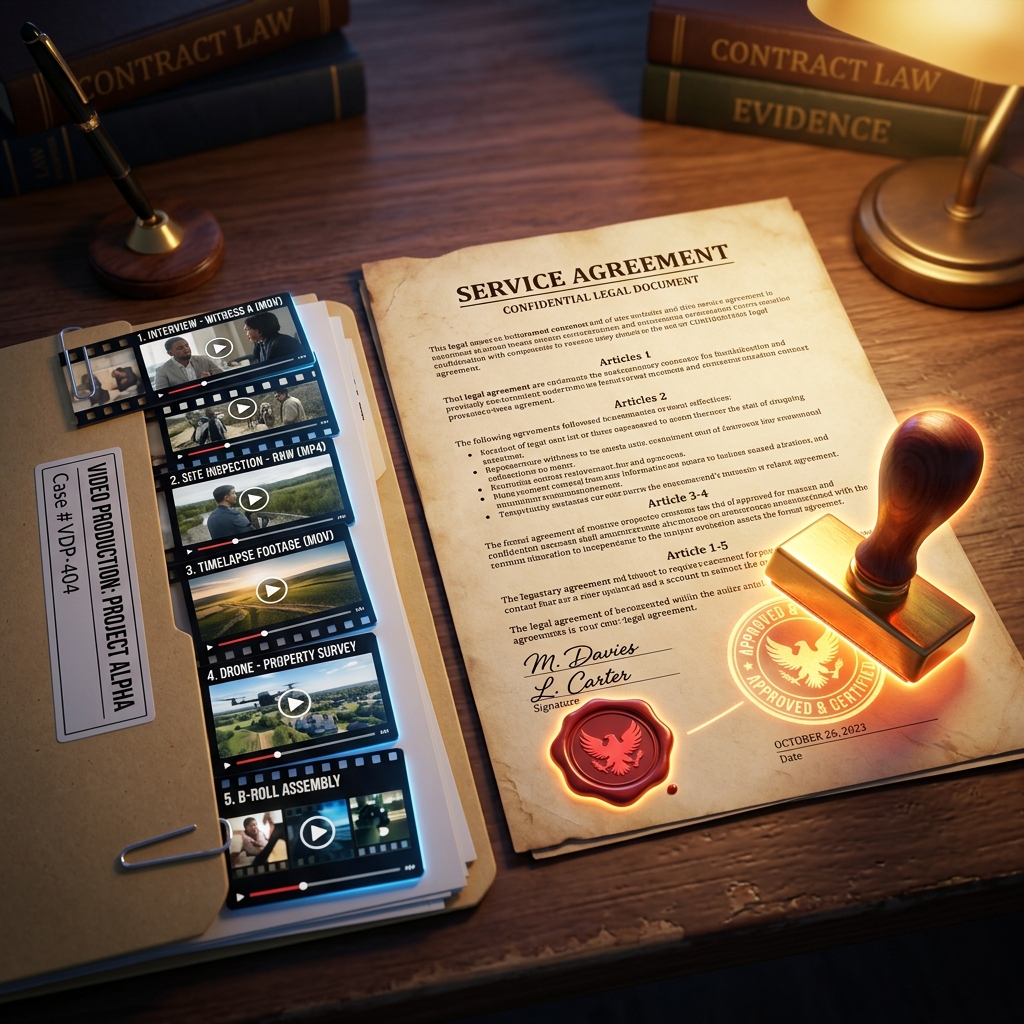
Understanding both copyright law and platform policies helps users make safer decisions online.
Final Thoughts
Downloading videos for personal viewing or backup purposes is common, but users should still respect creators and avoid redistributing content without permission.
Most copyright problems begin when downloaded content is reposted, monetized, or presented as original work. Using content responsibly is the safest approach.